Health and Safety Policy for Carpet Cleaners SW17
 Our health and safety policy sets out the standards that carpet cleaners SW17 must follow to protect staff, clients, visitors, and the public. We are committed to working safely, reducing risk, and maintaining a professional service in every property we enter. This policy applies to all cleaning activities, including residential, commercial, and specialist carpet care tasks.
The aim is to prevent injury and ill health by identifying hazards early, using suitable control measures, and encouraging responsible behaviour at all times. Safety is built into every stage of our work, from preparation and transport to cleaning, drying, and post-service checks. All team members are expected to understand and follow this policy.
We recognise that carpet cleaning involves a range of risks, such as slips, manual handling strain, electrical hazards, exposure to cleaning agents, and cross-contamination. To manage these effectively, our carpet cleaning team will assess each job before work begins and adjust methods where needed. No task should be started until it is considered safe.
Responsibilities and Safe Working Standards
Management is responsible for providing a safe system of work, appropriate training, maintained equipment, and clear supervision. Employees must take reasonable care of their own health and safety and that of others. Every carpet cleaning specialist is expected to report hazards, follow instructions, and use equipment correctly.
Risk assessments must be completed for routine and non-routine tasks. These assessments should consider the condition of the property, access routes, floor surfaces, ventilation, pets, children, fragile items, and any signs of moisture sensitivity in the carpet or surrounding materials. Where risks cannot be reduced to an acceptable level, the work must be delayed or refused.
Good housekeeping is essential. Equipment, hoses, cords, and cleaning products must be stored neatly to prevent trips and falls. Spills should be cleaned immediately, and warning signs used where surfaces are temporarily wet or slippery. Work areas should be kept tidy throughout the service, not only at the end.
Training, Equipment, and Chemical Safety
Training is provided so that all staff understand safe lifting techniques, machine operation, chemical dilution, emergency procedures, and the correct use of personal protective equipment. New starters must be supervised until they demonstrate competence. Refresher training will be arranged when procedures change or if any gaps are identified.
 All cleaning machinery must be suitable for purpose, inspected regularly, and maintained in good condition. Faulty equipment must be removed from use immediately and reported. Electrical items should be checked before each job, and extension leads must not create a trip hazard or be used in unsafe conditions. Water and electricity must always be managed with care.
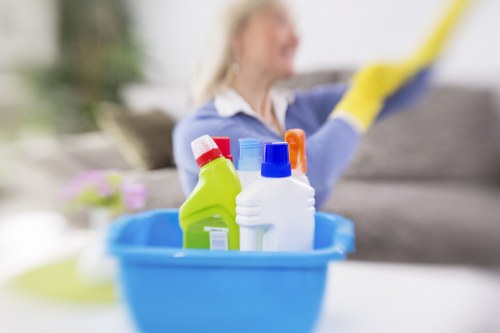
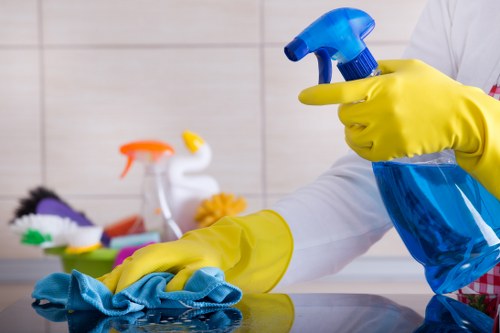
Cleaning chemicals must be selected responsibly and used according to the manufacturer’s instructions. Staff should wear appropriate gloves and other protective items when handling concentrated products or when there is a risk of splash. Containers must be labelled correctly, stored securely, and kept away from food, heat, and unauthorised access. Where possible, low-risk products should be preferred.
Health Protection, Manual Handling, and Workplace Conduct
Manual handling is a common source of strain in the carpet cleaning trade. Team members must avoid unnecessary lifting and should use carts, trolleys, or team lifts when moving heavy equipment. Loads should be assessed before moving, and awkward tasks should be broken into smaller steps. Safe posture and controlled movement are expected throughout the job.
We also protect health by managing exposure to dust, dampness, fumes, and biological contamination. When dealing with heavily soiled carpets or areas affected by mould, bodily fluids, or pests, extra precautions may be required. This may include enhanced PPE, improved ventilation, and additional cleaning controls. Staff should never work in conditions that create avoidable harm.
Professional conduct is part of safety. Employees must not rush jobs, ignore hazards, or work while under the influence of alcohol, drugs, or medication that impairs judgement. Any illness, injury, or condition that could affect safe performance should be reported promptly. Managers will consider suitable adjustments where necessary.
Incident Reporting and Emergency Response
Accidents, near misses, and unsafe conditions must be reported as soon as possible so that action can be taken. This includes slips, chemical splashes, equipment faults, and incidents involving customers or the public. Reporting helps us learn, prevent repetition, and improve our controls. Records will be kept where required and reviewed for trends.In an emergency, the priority is to protect people and summon help quickly. Staff must know basic first aid arrangements, evacuation routes, and procedures for fire, electrical shock, or chemical exposure. If a property presents an immediate danger, work should stop until the issue is resolved. Emergency planning is an essential part of every carpet cleaning service.
Waste water, used materials, and disposable items must be handled responsibly. Contaminated waste should be contained and disposed of safely in line with applicable requirements. Equipment should be cleaned, drained, and stored correctly after use to reduce contamination and prolong service life. This supports both safety and quality.
Monitoring, Review, and Continuous Improvement
 This policy will be reviewed regularly to ensure it remains effective, current, and suitable for the work carried out by carpet cleaners. Reviews may be triggered by incidents, changes in equipment, updated procedures, or legal developments. The goal is continuous improvement rather than simply meeting a minimum standard.
Supervisors will monitor compliance through observations, checks, and feedback from internal audits. Where improvement is needed, corrective action will be taken promptly. Safe performance should be recognised and reinforced so that good habits become part of everyday practice. Everyone has a role in keeping the workplace safe.
By following this policy, our carpet cleaning professionals help create safer homes, safer workplaces, and safer outcomes for everyone involved. We believe that quality service and careful working methods go together. A strong safety culture is essential to reliable carpet care.

Policy Commitment
As part of our commitment to responsible service, all staff involved in carpet cleaning SW17 must understand this policy and apply it consistently. Safety is not an optional extra; it is a core part of our work, our standards, and our reputation. Every task should be completed with care, awareness, and respect for the people and spaces we serve.Where risks arise that are not covered in this policy, managers must act immediately and decide on the safest available approach. If necessary, specialist advice, extra equipment, or revised methods should be introduced before work continues. This policy supports a safe, reliable, and professional approach to carpet cleaning in every setting.