Commercial Cleaning in SW17
If you run a workplace in SW17, you already know that presentation matters. From the first impression in a reception area to the everyday condition of kitchens, washrooms, desks, and shared spaces, cleanliness plays a major role in how your business feels to staff, visitors, and clients. Our commercial cleaning in SW17 is designed for real local workplaces that need dependable, flexible, and thorough cleaning support without disruption to the working day.
Whether your premises are in Tooting, Tooting Bec, Furzedown, or close to the busy edges of Balham and Streatham, local commercial cleaning needs are rarely the same from one property to the next. Some sites need early morning cleans before staff arrive; others need evening or weekend visits, while certain settings require extra attention to hygiene, waste handling, or high-touch surfaces. That is why a local service matters: it can be shaped around your building, your schedule, and the way your team works.
Commercial cleaning in SW17 is about more than a quick tidy-up. It is about maintaining a professional environment, supporting staff wellbeing, and helping your premises stay ready for customers, clients, tenants, and visitors. If you are looking for a reliable cleaning arrangement for an office, shop, medical space, studio, school, shared building, or small business unit, this page explains what to expect, what is included, and how to request a quote with confidence.
Professional cleaning for workplaces across SW17
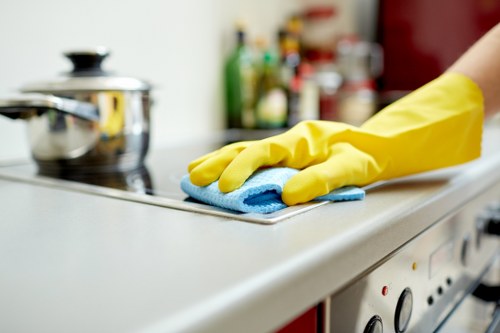
SW17 includes a wide mix of business premises and building types. Some are located on busy high streets with foot traffic and frequent dirt tracked in from outside. Others are in converted buildings, upper-floor offices, managed residential blocks, or mixed-use sites where access, timing, and shared facilities all matter. A commercial cleaning service has to respond to those local realities rather than relying on a one-size-fits-all routine.
Local businesses in the area often need practical cleaning support that fits around customers, patients, residents, or staff. For example, a clinic may need extra focus on hygiene and touchpoint cleaning; a retail unit may need floors, windows, and changing areas kept presentable; and an office may need desks, meeting rooms, kitchen spaces, and bins managed regularly. Strong cleaning habits help a property look cared for and can reduce the build-up of dust, spills, odours, and general wear.
Our approach to commercial cleaning in SW17 is built around consistency. That means the same standards on each visit, clear routines, and attention to the details that matter in busy environments. From entrance mats to internal glass, from washroom replenishment to sanitising shared surfaces, a well-planned clean can make a real difference to how smoothly a workplace runs.
Suitable for a wide range of local premises
Every commercial building has different priorities, but some of the most common workplaces we help in SW17 include:
- Offices and shared workspaces
- Retail shops and customer-facing units
- Medical, therapy, and wellbeing spaces
- Educational and training premises
- Hospitality back-of-house and front-of-house areas
- Small business workshops and studio spaces
- Managed blocks and communal areas
Because local property layouts vary so much, a flexible service is often the easiest way to keep standards high. Narrow entrances, stair access, compact kitchens, and limited storage can all affect how a clean is carried out. A local cleaner who works in SW17 regularly is more likely to understand those practical points and plan around them.
In busy parts of Tooting, for instance, timing can matter just as much as the clean itself. Deliveries, customer flow, and shared access all need to be considered. In quieter side streets or converted properties, the challenge may be more about access, parking, or coordinating around multiple occupants. A good commercial cleaning arrangement takes those pressures into account from the beginning.
What commercial cleaning typically includes
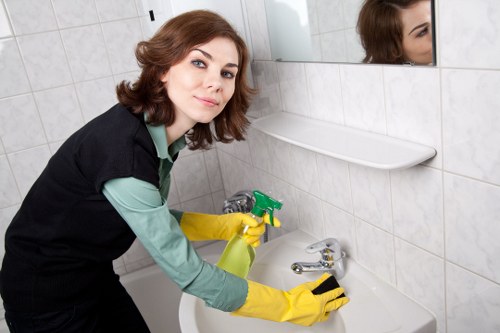
Every contract can be tailored, but there are core tasks that most businesses expect from a reliable commercial cleaning service. The exact specification will depend on your site, but a sensible cleaning plan usually covers routine housekeeping as well as deeper attention to the areas that get used most often.
Common tasks may include dusting, vacuuming, mopping, sanitising touchpoints, emptying bins, wiping desks and worktops, cleaning kitchens, and freshening washrooms. For customer-facing settings, extra focus may be given to entrance areas, reception counters, glass doors, and floors that show dirt quickly. For larger buildings, cleaning may also include common corridors, lift areas, shared stairwells, and staff rooms.
Commercial cleaning in SW17 can also involve specialist attention depending on the type of business you run. For example, some sites need supply management for washrooms, more frequent bin collection, or cleaning schedules that match shift patterns. If a space is used by staff throughout the day, a well-timed cleaning visit can reduce the build-up of mess and help the next team start in a clean environment.
Typical tasks included in a workplace clean
- Dusting visible surfaces, skirting edges, and furniture
- Vacuuming carpets and removing debris from hard floors
- Mopping suitable flooring and cleaning entrance areas
- Cleaning kitchens, break rooms, and appliance exteriors
- Wiping desks, counters, tables, and communal surfaces
- Sanitising handles, switches, and other high-touch points
- Cleaning and refreshing washrooms
- Emptying waste bins and replacing liners where needed
- Removing cobwebs and tidying accessible corners
- Supporting presentation in customer-facing areas
Some workplaces also request add-ons such as internal window cleaning, periodic deeper cleans, or targeted work after events, busy trading periods, or refurbishment. Rather than expecting every site to need the same checklist, it is usually better to agree the tasks that matter most to your building and business operations.
If you have a particular area that causes ongoing issues, such as a heavily used staff kitchen or a reception floor that marks easily, it is worth discussing that in advance. A tailored cleaning plan can focus more time and effort where it is most useful.
Why a tailored cleaning schedule matters
One-off cleaning can help in certain situations, but many businesses benefit more from a regular schedule. Weekly, twice-weekly, daily, or custom arrangements can be set up depending on occupancy, public footfall, and hygiene needs. In many SW17 premises, a regular clean is the simplest way to keep standards steady without asking staff to handle cleaning on top of their own work.
Strong scheduling also helps with consistency. When the same tasks are carried out at agreed times, it becomes easier to maintain a professional image, stay on top of waste, and avoid the kind of last-minute rushing that can happen when cleaning is left until the space already looks tired.
How the service works

A good cleaning service should be straightforward to arrange and easy to manage. Most businesses want clarity from the start: what will be cleaned, when the work will happen, and how the service will be adapted to the building. That is especially important in SW17, where premises may have limited access windows, on-street parking restrictions, shared entrances, or multiple users on one site.
The process usually begins with a discussion about the premises and the type of cleaning needed. This might include the size of the building, the number of staff or users, the condition of the space, the types of rooms involved, and any requirements for opening hours or security. Once the needs are understood, a cleaning plan can be created around the practicalities of the location.
After that, the schedule is agreed. Some workplaces need early morning attendance before customers or staff arrive; others prefer evening or weekend visits to avoid disruption. In some cases, a blend of routine visits and occasional deeper cleaning works best. The aim is to keep your premises clean without interfering with the day-to-day running of the business.
What happens during a standard visit
- Areas are checked against the agreed cleaning plan.
- Floors, surfaces, and touchpoints are cleaned in priority order.
- Kitchen and washroom areas are refreshed and sanitised.
- Bins and waste are dealt with according to site instructions.
- Key presentation areas are reviewed before the visit ends.
In a commercial setting, trust is important. You need to know the service is reliable, that access arrangements are respected, and that the cleaning team understands the standards expected in a working environment. That is why many local customers prefer a team that is familiar with SW17 buildings and able to work in a way that feels organised and professional.
There is also value in having a cleaning arrangement that can adapt when your business changes. If staffing levels increase, visitor numbers grow, or a new area is added to your premises, the service can usually be adjusted rather than starting again from scratch.
Clear communication makes a big difference
For business owners and site managers, simple communication is often what makes a cleaning arrangement work well over time. If you can explain which rooms matter most, which areas are high traffic, and whether there are any sensitive items or locked spaces, the cleaner can work more efficiently and avoid unnecessary disruption. That is especially helpful in smaller premises where every minute and every square metre counts.
In shared buildings, clarity also helps with responsibility. Common areas, staircases, and washrooms can be defined properly, so nothing is missed and no one assumes someone else will deal with it. This is particularly relevant where several tenants share a property in SW17.
Why local businesses in SW17 benefit from a nearby cleaning team

Choosing a local commercial cleaning team offers more than convenience. It often means a better understanding of the area, faster response times where possible, and fewer complications around access, parking, and timing. In SW17, those practical benefits matter because workplaces are spread across mixed residential and commercial streets, busy local centres, and properties with limited on-site parking.
In parts of Tooting and near transport links, access can be affected by busier roads, permit zones, or limited stopping points. In converted buildings and terraced properties, there may be stairs, narrow corridors, or awkward entry routes. A local team that knows the area is more likely to arrive prepared for those conditions, which can make the service smoother from the start.
Local knowledge also helps with flexible scheduling. If your premises open early, close late, or have specific busy periods, a nearby cleaner can often plan around those demands more easily than a distant provider unfamiliar with the area. That is useful for offices, medical spaces, hospitality sites, and retail units that need cleaning to happen at the right time rather than simply at any time.
Reasons customers choose a local provider
- Better understanding of SW17 property layouts and access issues
- More suitable cleaning times for busy business schedules
- Practical support for shared entrances and communal areas
- Consistent service for recurring cleaning needs
- Local awareness of residential and commercial mixed-use buildings
- Greater convenience for ongoing arrangements and follow-up visits
There is also a trust factor. Many local businesses want a cleaning service that feels dependable and easy to work with. That means clear expectations, a sensible plan, and attention to detail. In a commercial environment, small things like a clean reception desk, tidy washroom, and fresh-smelling kitchen can shape how people feel about your premises the moment they step inside.
For landlords and managing agents, a regular cleaning arrangement can also help protect shared spaces and keep the building presentable for occupants. Stairwells, entrances, and corridors are often the first areas people notice, so keeping them in good condition supports the overall impression of the property.
Keeping operations moving with minimal disruption
Many business owners in SW17 need their cleaning done without interrupting service, meetings, or client appointments. That is why an efficient, discreet approach matters. A commercial cleaner should work methodically, respect the site, and leave the space ready for use rather than creating extra work for your staff.
When cleaning is well planned, your team can focus on its own responsibilities while the property remains consistently tidy and professional.
What affects the price of commercial cleaning

It is sensible to ask how commercial cleaning costs are worked out, because every premises is different. Instead of using a fixed figure for all jobs, pricing is usually shaped by a combination of factors linked to the building, the schedule, and the type of cleaning required. That makes the quote more accurate and fair for the actual work involved.
The main factors can include the size of the premises, the level of cleaning needed, how often visits are required, whether specialist tasks are included, and how easy the property is to access. A small office in a convenient location may need a different level of service from a multi-room medical practice or a shared building with multiple floors and common areas.
Access and parking can also influence the time needed on site. In SW17, some premises have straightforward parking or loading arrangements, while others involve tighter streets, shared entry systems, or limited stopping space. A local company can take these realities into account when planning the service and setting expectations.
Common pricing factors
- Floor area and layout complexity
- Number of rooms, desks, or shared spaces
- Cleaning frequency and time of day
- Washroom and kitchen requirements
- Specialist or high-detail tasks
- Access conditions, keys, alarms, and entry procedures
- Any seasonal or one-off deep cleaning requests
Businesses often find it helpful to request a tailored quote rather than comparing services on a generic basis. That way, you can assess what is included and make sure the plan suits your actual needs. A useful quote should reflect your premises clearly and give you enough detail to decide whether the service is right for you.
If you are managing a tight budget, it can still be worth discussing priorities. In some cases, a focused clean on the areas that matter most is better than a broad but shallow service. Reception, kitchens, washrooms, and customer-facing floors may be the first spaces to address if you need to make the biggest visual and practical difference.
Request a free quote if you want a cleaning plan that reflects your premises rather than a generic template. The more accurate the initial discussion, the more reliable the service arrangement tends to be.
Areas we cover around SW17
Commercial cleaning demand in SW17 comes from a mix of neighbourhoods, local centres, and commercial strips. Businesses in the area often need a service that can move between busy high-street settings and quieter residential side streets without difficulty. Nearby locations can also be part of a regular route, especially where businesses share similar access needs.
Common areas covered include Tooting, Tooting Bec, Furzedown, and nearby parts of Balham and Streatham, depending on the exact premises and service requirements. This is particularly useful for customers with more than one site or for organisations that operate across the local area and want a consistent cleaning standard in each location.
Commercial properties in and around SW17 vary widely. You may have a modern office suite, a converted house used for business, a shop unit, a clinic, a training space, or a shared corridor in a mixed-use building. Each of these needs a slightly different cleaning plan, and local knowledge can help ensure the service fits the building rather than forcing the building to fit the service.
Examples of local property types
- Street-facing retail units
- Small offices above shops
- Converted terraced buildings
- Modern managed business spaces
- Shared-entry premises
- Communal areas in mixed-use buildings
- Healthcare and wellbeing premises
If your site is close to a busy road, near public transport links, or in an area with limited parking, local planning becomes even more important. Cleaning schedules can be adjusted to reduce disruption, and the team can arrive with a clearer understanding of how to carry out the work efficiently.
For property managers and business owners handling multiple responsibilities, having a single local cleaning partner for more than one area can save time and simplify organisation. The key is to keep the service tailored, responsive, and easy to review when your needs change.
Preparation checklist before your first visit
To make the first clean as smooth as possible, it helps to prepare the premises in a few simple ways. This is not about doing the cleaner’s job for them; it is about making sure access is clear, priorities are understood, and no important items are moved or overlooked. A little preparation usually leads to a better result and less confusion on the day.
Before the cleaning visit, it is useful to confirm which areas should be cleaned, which spaces should be avoided, and whether any items require special care. If your premises have alarm systems, coded doors, or controlled access points, these arrangements should be explained in advance. The same applies to confidential documents, fragile equipment, and any surfaces that need a particular cleaning method.
If staff use shared kitchens or washrooms, it can also help to let them know when cleaning is scheduled. That reduces disruption and helps people keep their items tidy. In a busy workplace, a few small steps can make a noticeable difference to how smoothly the service runs.
Simple checklist for business owners and site managers
- Identify priority rooms and surfaces.
- Confirm access arrangements and keyholding details if relevant.
- Remove or secure confidential paperwork and valuables.
- Note any delicate finishes, fixtures, or equipment.
- Advise on preferred cleaning times and restrictions.
- Share any recurring issues, such as marks, spills, or high-traffic wear.
It is also helpful to think about seasonal needs. Winter months may bring more dirt and moisture into entrances, while busier trading periods may increase the need for additional cleaning in customer areas. If your business changes through the year, your cleaning arrangement can usually be adjusted to match.
Book your service now if you are ready to organise a workplace clean that fits your premises and your schedule. A clear brief at the start often leads to a more effective and predictable service.
Why businesses keep regular commercial cleaning in place
Many local businesses start with a one-off clean and then quickly realise that regular maintenance is the better long-term option. That is because day-to-day activity naturally creates dust, clutter, fingerprints, and wear. In a customer-facing setting, those small signs of use can build up quickly, and in an office or shared building they can affect morale as well as appearance.
Regular commercial cleaning in SW17 helps maintain a standard that people notice for the right reasons. Staff are more likely to arrive to a tidy environment, visitors see a space that feels cared for, and managers spend less time dealing with avoidable mess. In washrooms and kitchens especially, consistency is valuable because these areas affect comfort and hygiene every single day.
There is also a practical business benefit. Clean spaces are easier to work in, easier to present to clients, and easier to maintain over time. Floors that are cared for regularly are less likely to accumulate stubborn build-up, and surfaces that are cleaned frequently are less likely to need heavy intervention later on.
Signs your premises would benefit from regular visits
- Reception or entrance areas are losing their professional appearance
- Staff are spending too much time on basic tidying
- Washrooms and kitchens need frequent attention
- Dust and debris return quickly after cleaning
- Customer-facing spaces need to stay consistently presentable
- Shared areas are used by multiple people throughout the day
For some businesses, the biggest benefit is peace of mind. Once cleaning is arranged properly, you no longer have to worry about who will empty the bins, wipe the counters, or refresh the washrooms. That frees your staff to focus on the work they were hired to do.
If you are comparing options for commercial cleaning in SW17, look for a service that is flexible enough to adapt as your business grows, moves, or changes its routines. The best arrangement is the one that stays useful over time, not just on the first visit.
Frequently asked questions
Below are some common questions from local customers considering a commercial cleaning arrangement in SW17. If you are deciding whether to make an enquiry, these answers may help you think through the practical details.
How often should a commercial premises be cleaned?
It depends on how the space is used. A busy office or customer-facing unit may need daily attention, while a smaller studio or less frequently used premises may only need weekly or twice-weekly visits. Washrooms, kitchens, and reception areas often need the most regular care.
Can cleaning be done outside business hours?
Yes, many workplaces prefer early morning, evening, or weekend cleaning to avoid disruption. The exact arrangement depends on your access requirements, building rules, and preferred schedule. Flexible timing is often especially useful in SW17, where buildings can vary widely in layout and occupancy.
Do you clean shared areas in mixed-use buildings?
Shared areas such as corridors, stairwells, entrances, and communal washrooms can often be included if they are part of the agreed service. This is a common need in mixed-use buildings and managed properties, particularly where multiple occupants rely on the same access points.
What if our business has specific hygiene requirements?
Some sites, such as healthcare-related or wellbeing premises, need a more structured cleaning approach. It is important to discuss your exact requirements at the outset so the cleaning plan can reflect them properly. High-touch surfaces, disinfecting routines, and room-specific tasks may all be relevant.
How do I get a quote?
Usually, the first step is to share details about the premises, the type of business, the number of rooms, and how often you would like cleaning to take place. A tailored quote can then be prepared based on your needs. If you are ready to move ahead, contact us today or request a free quote to begin the process.
Questions worth asking before you book
- What exactly is included in the clean?
- Can the schedule fit around our opening hours?
- How are access and security arrangements handled?
- Can the service be adjusted if our needs change?
- What type of premises do you regularly clean in SW17?
These questions help make sure the service is a good fit for your workplace rather than a generic arrangement that leaves gaps.
Arrange commercial cleaning in SW17
If you want your premises to look professional, feel organised, and stay ready for the people who use it every day, regular commercial cleaning is a practical investment. In a busy area like SW17, local conditions, mixed building types, and access challenges all make it sensible to choose a service that understands the area and can work around your schedule.
From offices and shops to clinics, studios, and shared buildings, the right cleaning plan can save time, reduce stress, and support a better experience for staff and visitors. The best time to organise it is before mess starts affecting presentation and productivity. Book your service now or request a free quote to discuss the needs of your premises.
A clean workplace is not only more pleasant to use, but also easier to manage day after day. If you are ready to improve standards at your site, a tailored local cleaning arrangement can be put in place to suit your property, your hours, and your expectations.
Contact us today to discuss commercial cleaning in SW17 for your office, shop, clinic, or shared business premises.