SW17 Carpet Cleaning Guide for Upper Tooting Road Flats
If you live in an Upper Tooting Road flat, carpet cleaning can feel like one of those jobs that is easy to postpone right up until the hallway looks tired, the living room smells a bit "closed in," and the stairwell traffic has left its mark. This SW17 carpet cleaning guide for Upper Tooting Road flats is here to make the process simple, realistic, and worth doing properly. Whether you are dealing with everyday dust, pet odours, drink spills, or end-of-tenancy wear, the aim is the same: cleaner carpets, fresher rooms, and fewer nasty surprises later on.
Flat living in SW17 has its own little quirks. Space is tighter, access can be awkward, drying time matters more than you think, and a rushed clean can leave carpets damp far too long. So let's walk through what actually works, what to avoid, and how to choose the right approach for your home. No fluff. Just useful advice you can act on.
Contents
- Why carpet cleaning matters in Upper Tooting Road flats
- How the cleaning process works
- Benefits and practical advantages
- Who needs it and when it makes sense
- Step-by-step guidance
- Expert tips for better results
- Common mistakes to avoid
- Tools, resources and recommendations
- Law, compliance, standards and best practice
- Options, methods and comparison
- Case study / real-world example
- Practical checklist
- Conclusion
- Frequently asked questions
Why SW17 Carpet Cleaning Guide for Upper Tooting Road Flats Matters
Carpets in flats collect more than people expect. Fine dust from open windows, dirt carried in from shared entrances, crumbs from quick meals, pet hair, and the occasional muddy footprint all settle deep into the fibres. In a busy SW17 flat, that build-up happens quietly. You do not always notice it day to day, but you do notice when a room starts to feel a bit dull, a bit heavy, or a bit less welcoming.
Upper Tooting Road flats also tend to have some practical challenges that make carpet care different from a house. There may be limited outdoor space for ventilation, stricter neighbours below, narrow hallways, and less room for bulky equipment. That means cleaning has to be planned properly. A carpet that stays wet too long in a flat can cause annoyance, odour, and in some cases mould risk around skirting boards or under furniture. Not ideal. Not at all.
There is also a financial angle. If you are renting, carpet condition can matter at check-out. If you own, regular care helps protect flooring that is expensive to replace. And if you are preparing to sell or let a flat, cleaner carpets can improve the overall feel of the space without major disruption. It sounds small, but in property terms, small details often carry a lot of weight.
Practical truth: the best carpet cleaning job is not the flashiest one. It is the one that suits the flat, dries properly, and leaves the carpet looking and feeling genuinely refreshed.
How SW17 Carpet Cleaning Guide for Upper Tooting Road Flats Works
Good carpet cleaning is usually a process, not a single action. In most flats, the work starts with inspection. You identify fibre type, visible staining, traffic areas, and any hidden problems such as old pet odours or flattened pile near the sofa. That first look matters because wool, synthetic blends, and delicate rugs all behave differently. Treat them the same and, well, you can end up making more work for yourself.
Most professional-style cleaning follows a familiar sequence:
- Dry soil removal: vacuum thoroughly to remove loose grit and dust.
- Spot assessment: check stains before applying any liquid.
- Pre-treatment: apply suitable solution to break down grime.
- Main cleaning: use hot water extraction, steam-based cleaning, or another chosen method.
- Rinsing and residue control: remove cleaning product as much as possible.
- Drying: improve airflow and avoid walking on the carpet too soon.
In flats, drying is often the stage people underestimate. You can have a carpet that looks clean but still feels slightly damp underneath if the airflow is poor. On a wet January afternoon in SW17, that can take longer than expected. Truth be told, drying is where a lot of quality is won or lost.
Another useful point: not every carpet needs a deep wet clean every time. Sometimes a targeted stain treatment, a careful refresh, or a maintenance clean is enough. The right decision depends on how the carpet is used, how old it is, and whether you are aiming for general freshness or a more restorative result. If you are comparing services, it may help to review the company's carpet cleaning approach alongside their deep cleaning options, especially if your flat has heavier wear.
Key Benefits and Practical Advantages
For Upper Tooting Road flats, the benefits of well-planned carpet cleaning are practical rather than theoretical. You feel them in day-to-day life.
- Better appearance: carpets look brighter, which lifts the whole room.
- Less lingering odour: especially helpful in smaller flats where smells hang around.
- Improved comfort: clean carpet fibres feel softer underfoot.
- Reduced dust build-up: useful if you are sensitive to dust or just tired of constant vacuuming.
- Longer carpet life: grit wears fibres down faster than most people realise.
- Better letting or sale presentation: a fresh floor helps the whole flat feel cared for.
There is also a less obvious advantage: a properly cleaned carpet can change how the whole place sounds and feels. Rooms can seem calmer, less stale. A clean hallway in a flat often makes the rest of the property feel more organised too. Small thing, but it matters.
Expert summary: In flats, carpet cleaning is about more than stain removal. It is really about freshness, drying speed, and preserving a shared living environment without adding disruption.
Who This Is For and When It Makes Sense
This guide is for anyone living in, managing, or preparing an Upper Tooting Road flat. That includes tenants, landlords, flat owners, letting agents, and anyone trying to get a property into better shape before guests, inspections, or a move.
It makes particular sense if you are:
- moving out and want carpets to look presentable
- moving in and want a clean start
- living with pets, children, or heavier foot traffic
- noticing dull patches, traffic lanes, or odours
- preparing for photography or a property viewing
- trying to keep maintenance under control between bigger cleans
If you rent, carpet condition can become a question during check-out, so regular attention is wise. If you own the flat, the decision is usually about preserving the finish and keeping the place comfortable. And if you manage multiple properties, consistency matters more than perfection. One neglected carpet can make a flat feel tired, even if the rest looks great.
There are also moments where carpet cleaning is simply the sensible move after a specific event: a spilt glass of red wine, a burst pipe that did not quite reach the carpet but left a damp edge, or a winter season where muddy shoes seemed to be everywhere. Life happens. Floors notice.
Step-by-Step Guidance
Here is a practical way to approach carpet cleaning in an SW17 flat without making it more stressful than it needs to be.
- Clear the room as much as possible. Move light furniture, rugs, baskets, and anything fragile. In a flat, even a little extra floor access makes a big difference.
- Vacuum properly. Go slowly. Fast vacuuming is one of those fake efficiencies that looks good and achieves very little.
- Identify stains and marks. Note what you are dealing with if you know it: coffee, grease, pet accident, ink, makeup, food spill.
- Test any product first. Choose a hidden corner and check for colour change or texture damage.
- Use the right cleaning method. Steam carpet cleaning, hot water extraction, or low-moisture methods each suit different situations.
- Treat spots before the main clean. This helps prevent stains from setting further.
- Clean in sections. That keeps the job manageable and avoids missing edges or corners.
- Control moisture carefully. Do not oversaturate the carpet, especially in flats where air movement is limited.
- Speed up drying. Open windows if weather allows, turn on fans, and avoid replacing heavy furniture too soon.
- Finish with a final check. Look for tide marks, missed patches, or lingering odours after drying.
If you are handling a move-out or a seasonal refresh, pairing carpet care with move-out cleaning or one-off cleaning can save time and help everything feel finished in one go. A joined-up approach is often easier than tackling each job separately.
One small but useful habit: after cleaning, keep shoes off the carpet for the rest of the day if you can. It sounds obvious, but it really does help the fibres stay fresher for longer. Little things, you know.
Expert Tips for Better Results
The difference between a decent carpet clean and a really good one often comes down to the little details. Here are the things that tend to matter most in flats.
- Know your carpet fibre. Wool needs more care than many synthetic carpets. If in doubt, treat it gently.
- Work top to bottom in the flat. Start in the cleanest or least-used area and finish near the entrance to reduce re-soiling.
- Watch for hidden dirt near skirting boards. Edge build-up is easy to miss, especially in narrow hallways.
- Use less product, not more. Extra solution does not equal extra clean. Often it just means more residue.
- Ventilation is part of the clean. Open windows and doors where safe and practical.
- Plan around neighbours. In a flat, noisy equipment at the wrong time can be more hassle than the stain itself.
- Deal with fresh spills quickly. Blot first. Rubbing usually makes things worse. It always seems like the right thing in the moment, and then it isn't.
For stubborn marks or odours, specialist support can be worthwhile. A service focused on stain removal or pet stain odour removal can be more appropriate than a standard refresh, particularly if you have already tried the obvious fixes. That said, not every stain can be erased completely, and a good cleaner should be honest about that.
A small tip from real-world experience: if the carpet looks clean but still smells off after drying, the source is usually deeper than the visible surface. That may mean underlay, not just fibres. Annoying, yes, but useful to know.
Common Mistakes to Avoid
Most carpet cleaning mistakes are not dramatic. They are just the kind that quietly reduce results and create extra hassle later.
- Over-wetting the carpet. This slows drying and can leave a stale smell in a flat.
- Using the wrong cleaner. Bleach, harsh detergents, or generic products can damage fibres or fade colour.
- Skipping vacuuming. If loose grit remains, it turns into muddy residue when wet.
- Scrubbing hard at stains. That can fray fibres and spread the mark wider.
- Ignoring the underlay risk. A surface that looks fine may still hide damp deeper down.
- Replacing furniture too soon. Heavy legs can leave dents or transfer colour if the carpet is not dry.
- Cleaning only the visible middle of the room. Edges, entrances, and under-sofa zones often need attention too.
Another common issue in flats is timing. People start cleaning late in the evening, then wonder why the place still feels damp the next morning. If you can, begin earlier in the day and give the room time to breathe. That one change can make the whole job less stressful.
And yes, it is tempting to think "I'll just blast it and be done." Usually that is how small jobs become long jobs. We have all been there.
Tools, Resources and Recommendations
You do not need a van full of equipment to keep flat carpets in good order, but you do need the right basics. The best setup depends on how often the carpet is used and how much space you have.
| Method / Tool | Best for | Strengths | Watch-outs |
|---|---|---|---|
| Vacuum cleaner with strong suction | Regular maintenance | Removes dry dirt before it settles deep | Needs slow, careful passes |
| Spot cleaner / stain treatment | Small spills and isolated marks | Targets problem areas without full-room cleaning | Must suit carpet fibre and stain type |
| Steam carpet cleaning / hot water extraction | Deeper refresh and heavier soil | Excellent for embedded dirt and general reset | Drying time matters, especially in flats |
| Low-moisture cleaning | Quick turnaround properties | Faster drying, less disruption | May be less effective for deep staining |
| Fans and openable windows | Post-clean drying | Helps air movement and comfort | Weather and security have to be considered |
If you are comparing professional services, it can help to look at broader company information too. Pages such as about us, insurance and safety, and pricing and quotes can tell you a lot about transparency, process, and what kind of service you can expect. The little details often say more than big promises.
If you are trying to keep carpet care part of a wider property routine, related services like domestic cleaning, regular cleaning, or house cleaning may be useful to combine with carpet maintenance. For some homes, that is the difference between reactive cleaning and staying ahead of the mess.
Law, Compliance, Standards, and Best Practice
For carpet cleaning in a flat, there usually is not a special legal rule just because the property is in SW17. But there are still sensible standards and responsibilities to keep in mind. If you live in a leasehold flat, you may need to respect building rules on access, noise, shared spaces, and waste disposal. If you are renting, tenancy agreements sometimes set expectations about cleanliness and the condition in which a property should be returned. Those documents matter more than people sometimes realise.
From a practical safety perspective, it is wise to avoid leaving floors excessively wet where someone could slip. That matters in entrance areas, hallways, and around bathroom thresholds. Good operators also think about electrical safety, furniture handling, and safe product use. If you are hiring help, it is sensible to ask how they manage these issues rather than assuming they do. A quick question now is better than a headache later.
For service standards, you want clear communication, proper insurance, suitable products, and realistic advice about what can and cannot be cleaned out. You also want honest drying-time guidance. If a provider sounds overconfident about every stain, be a little cautious. Proper best practice is careful, not magical.
If you are checking a company's overall approach, pages like health and safety policy, terms and conditions, and complaints procedure can give useful reassurance. That may sound dry on the page, but in real life it is often what separates a smooth job from a stressful one.
Options, Methods, or Comparison Table
Choosing the right cleaning approach depends on time, carpet type, staining, and how much disruption you can tolerate. Below is a simple comparison that reflects what matters most in flat living.
| Method | Best use | Pros | Cons |
|---|---|---|---|
| DIY spot cleaning | Small fresh stains | Quick, low cost, immediate action | Limited on deeper dirt or old marks |
| Vacuum + maintenance care | Weekly upkeep | Prevents build-up and preserves appearance | Does not restore tired carpets on its own |
| Steam / hot water extraction | Deeper cleaning and reset | Strong overall results on many carpets | Needs careful drying in flats |
| Low-moisture professional clean | Busy flats or fast turnaround | Less drying time, less disruption | May not suit every carpet or stain type |
| Combined service with upholstery or rugs | Whole-room refresh | More consistent finish across the room | Can take longer and cost more overall |
If your flat also has sofas, rugs, or curtains that are collecting dust, a joined-up clean may be more efficient than doing one item at a time. You can look at sofa cleaning, rug cleaning, and curtain cleaning if you want the room to feel genuinely refreshed rather than partly done.
Case Study or Real-World Example
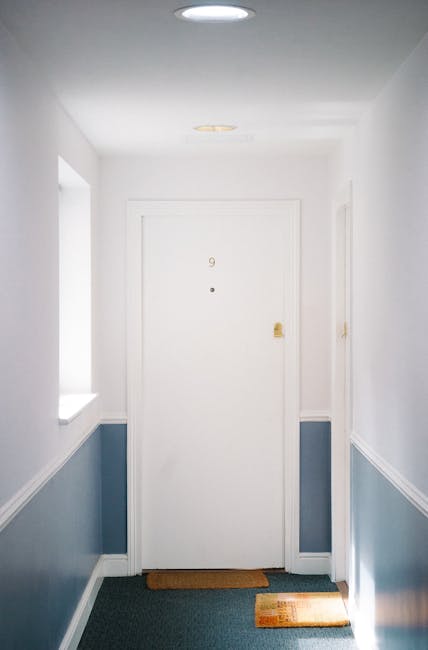
Here is a realistic example from the kind of flat layout many people in Upper Tooting Road know well. A two-bedroom flat with a small hallway, a living room with a light-coloured carpet, and a bedroom that had slowly collected traffic marks near the bed and wardrobe.
The main issue was not one huge stain. It was a combination of everyday life: dust from the road outside, shoe dirt near the entrance, and a faint odour that became noticeable in the evenings. The resident had tried vacuuming more often, which helped a little, but the carpet still looked flat and a bit grey around the edges.
The solution was straightforward. The room was cleared where possible, the carpet was vacuumed properly, and spot treatment was used on the marks near the hallway. A deep clean was then carried out, followed by good airflow during the afternoon. The biggest improvement was not just the cleaner appearance. It was how the flat felt afterwards. Fresher. Lighter. Less stuffy.
There was one slightly awkward moment: a chair needed moving twice because the first drying spot was not ideal. Happens all the time. But that kind of small adjustment is normal in flats, and it is exactly why careful planning matters. The result was worth it, and the carpet lasted much longer than if the dirt had been left to grind in.
If the flat is being prepared for a tenancy handover, combining carpet work with end of tenancy cleaning or move-in cleaning can make the whole process far less stressful. One job feeding into the next. Nice when that happens.
Practical Checklist
Use this quick checklist before and after carpet cleaning in your Upper Tooting Road flat.
- Vacuum thoroughly before applying any moisture
- Identify fibre type if you can
- Test products in an inconspicuous area
- Treat fresh stains promptly rather than letting them set
- Keep windows open where weather and security allow
- Allow enough drying time before replacing furniture
- Avoid walking on damp carpet with outdoor shoes
- Check corners, edges, and under furniture after cleaning
- Deal with odours at the source, not just on the surface
- Keep maintenance regular so the next clean is easier
Quick takeaway: if you remember nothing else, remember this - careful drying and correct product choice matter as much as the clean itself.
Get a free quote today and see how much you can save.
Conclusion
A good carpet cleaning routine for an Upper Tooting Road flat is part maintenance, part common sense, and part timing. You do not need to overcomplicate it. Start with proper vacuuming, choose the right method for the carpet and the problem, and give drying the attention it deserves. That alone will put you ahead of most rushed, half-finished cleans.
Whether you are freshening up a home you love, getting ready for a move, or trying to bring a flat back from the edge of "a bit tired," the right approach can make a real difference. And honestly, when a flat smells clean and the carpet feels soft again underfoot, it changes the mood of the whole place. A small win, but a proper one.
If you want a cleaner, calmer home in SW17, start with the floor beneath your feet. It is usually the best place to begin.
Frequently Asked Questions
How often should carpets be cleaned in an Upper Tooting Road flat?
For most flats, regular vacuuming should happen weekly, with a deeper clean scheduled as needed depending on traffic, pets, children, and general wear. Busy homes often need attention more often than quiet ones.
Is steam carpet cleaning safe for flat carpets?
Usually yes, provided the carpet type is suitable and the moisture is controlled properly. The main thing to watch in flats is drying time, because poor airflow can leave carpets damp longer than expected.
What is the best carpet cleaning method for rental flats?
That depends on the carpet and the condition of the room. For many rental flats, a professional hot water extraction clean works well, but low-moisture cleaning can be better if turnaround time is tight.
Can carpet cleaning remove all stains?
Not always. Fresh stains have a better chance than old ones, and some dyes or substances may leave a permanent mark. A careful technician should explain the likely outcome before starting.
How long do carpets take to dry in a flat?
Drying time varies based on the method used, room temperature, ventilation, and carpet thickness. In a flat, it may take longer if windows cannot be opened widely or the weather is damp.
Should I move furniture before carpet cleaning?
If you can safely move light items, yes. Clearing the room makes the clean more thorough. Heavy furniture is often better left unless the service provider has confirmed they will move it.
Do I need to vacuum before a professional carpet clean?
Usually yes. Vacuuming first removes loose grit, which improves results and helps stop soil turning into muddy residue once moisture is applied.
What if my carpet smells musty after cleaning?
A musty smell often means the carpet or underlay dried too slowly, or there is an underlying odour source. Better airflow helps, but persistent smells may need specialist treatment.
Are pet stains harder to clean than food or drink spills?
Often yes, because pet accidents can soak deeper and affect underlay as well as fibres. Services that focus on pet stain odour removal are usually more suitable for these cases.
Is there a difference between carpet cleaning and deep cleaning?
Yes. Carpet cleaning focuses on the carpet itself, while deep cleaning usually means a broader, more intensive clean across the flat or property. The two can work well together, but they are not the same job.
How do I choose a carpet cleaning company for an SW17 flat?
Look for clear pricing, sensible advice, insurance, safety information, and a process that matches your carpet type and drying needs. A good company should be straightforward, not vague.
Can carpet cleaning help before moving out?
Yes, it can make the flat look better and help you leave the property in a more presentable condition. It is especially useful if the carpet has traffic marks, spills, or pet-related issues.
Is regular carpet cleaning worth it for a small flat?
Usually yes. Smaller flats often show dirt and odour more quickly, so regular care can make the space feel fresher without requiring major work each time.
What should I ask before booking a carpet cleaning service?
Ask about the cleaning method, drying time, stain treatment, insurance, and whether the service suits your carpet type. A few direct questions can save a lot of frustration later.